
Fertility acupuncture & TCM resources
Practical reading about acupuncture, Chinese herbal medicine and planning appointments alongside fertility care.
Looking for care with Mike Xu in Aurora? Explore IVF and FET support, natural conception and IUI care, or what to expect at your first visit.
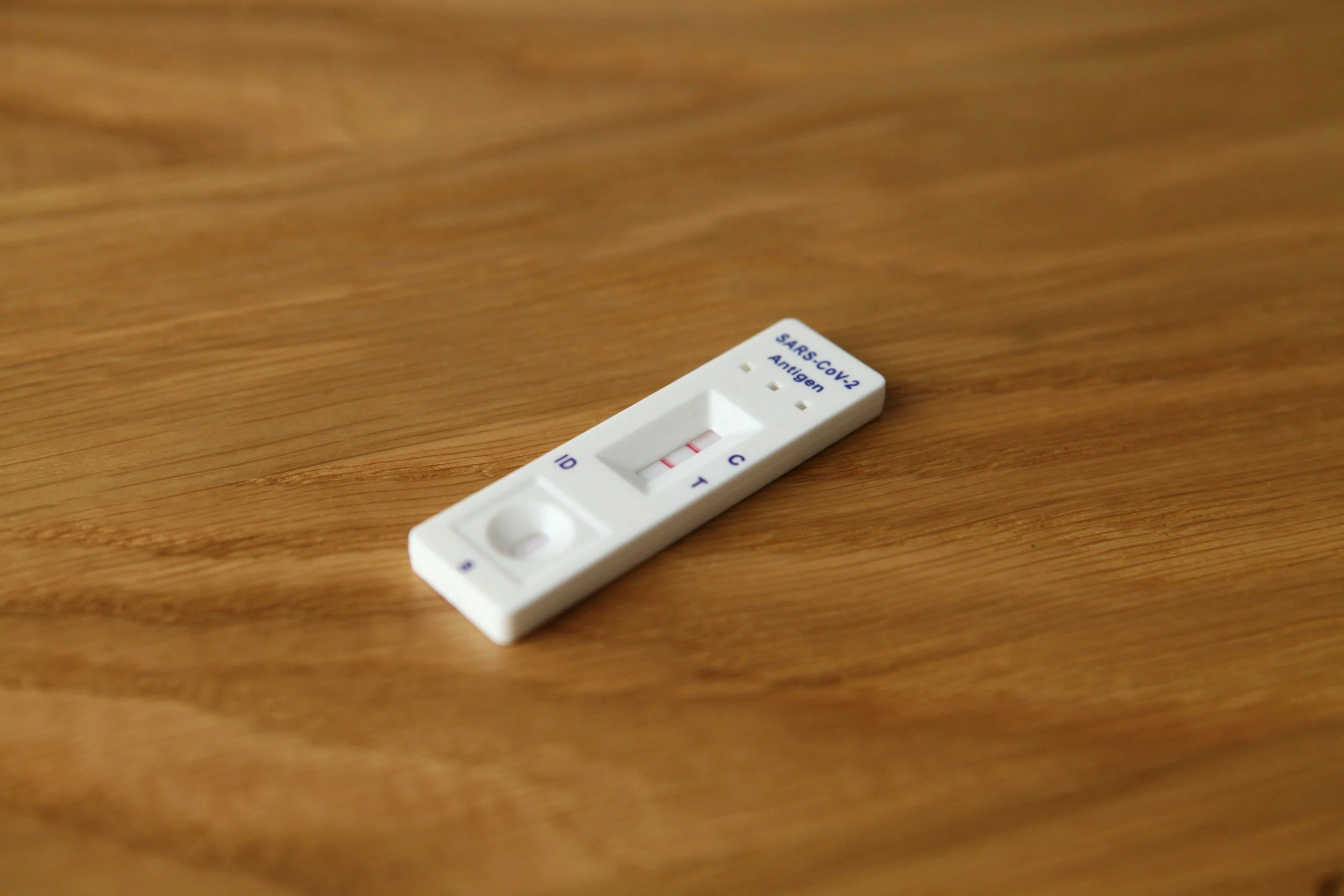
Positive Ovulation Test but No Pregnancy: What to Check Next
Understand what a positive ovulation test means, how to time intercourse, when to take a pregnancy test, and when to ask for fertility evaluation.

After an Unsuccessful IUI: What to Ask Before Your Next Cycle
A negative IUI result can leave you unsure what to do next. Use these questions to review your cycle, medication instructions and future options with your fertility team.
Acupuncture During the Two-Week Wait After IUI or Embryo Transfer
Waiting to test after IUI or embryo transfer? A practical guide to acupuncture appointments, realistic expectations, your fertility clinic’s instructions and when to seek medical advice.
After Two Miscarriages: What Testing Is Recommended in Canada—and Where Acupuncture May Fit
Canada now recognizes recurrent pregnancy loss after two or more losses. Learn which tests may be discussed, what not to assume, and where acupuncture may fit before trying again.
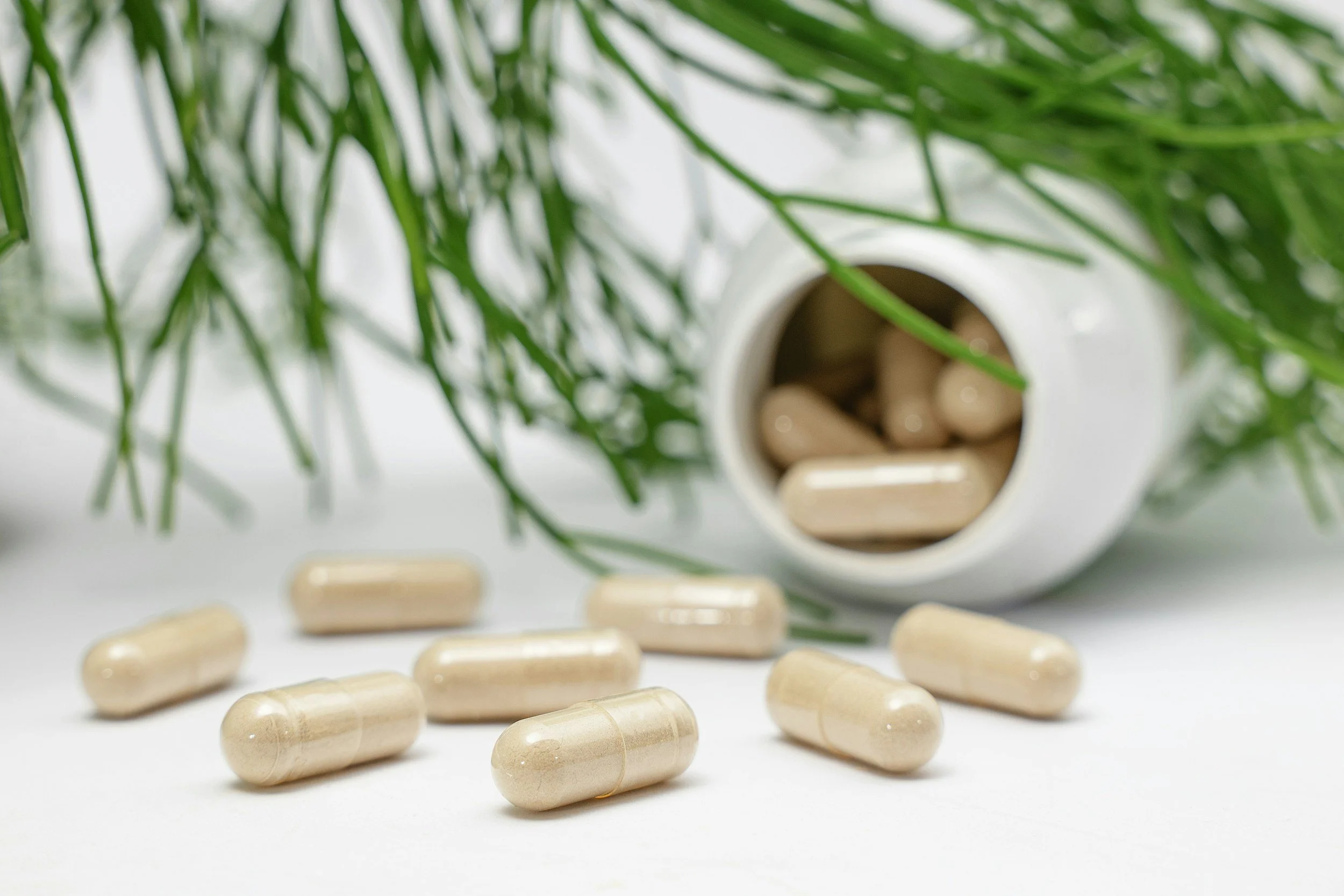
Can I Use Acupuncture or Chinese Herbs While Taking Fertility Medications? A Safety-First Guide for Ontario Patients
Taking letrozole, Clomid, Ovidrel or IVF injections? Learn when acupuncture may fit, why herbs need extra review and which symptoms require your clinic.

Endometriosis and Fertility: Where Acupuncture May Fit
Endometriosis does not automatically mean IVF, and acupuncture is not a cure. Mike Xu explains how he approaches pain, fertility testing, and complementary care for patients trying naturally or preparing for IUI or IVF.
Trying for Baby #2? Secondary Infertility and Fertility Acupuncture in Aurora
Trying for a second baby but not getting pregnant? Learn what secondary infertility is, why fertility can change after your first child, when to seek testing, and how acupuncture may support your fertility journey alongside natural conception, IUI, or IVF.

Frozen Embryo Transfer Acupuncture in Aurora: When to Book Before and After FET
A frozen embryo transfer can bring both hope and pressure, especially when timing, lining preparation, and stress all feel important. This guide explains how acupuncture may be used as complementary support before and around FET, what the research does and does not show, and how patients in Aurora can plan care safely alongside their fertility clinic.

Spotting Before Your Period When Trying to Conceive: Is Your Luteal Phase Too Short?
Spotting before your period while trying to conceive doesn't always mean low progesterone or infertility. Learn the possible causes, when to seek medical evaluation, and how cycle-aware acupuncture and Traditional Chinese Medicine (TCM) may support your fertility journey.
After a Failed Embryo Transfer: How Fertility Acupuncture and TCM May Support Your Next IVF Step in Aurora
A failed embryo transfer can be heartbreaking, but it doesn't mean your fertility journey is over. Understanding why an embryo didn't implant isn't always straightforward—factors such as embryo quality, uterine environment, timing, and overall reproductive health may all play a role. In this article, we explain what to discuss with your fertility clinic after a failed IVF cycle and how fertility acupuncture and Traditional Chinese Medicine (TCM) may complement your medical treatment. Learn how a personalized approach can help support stress management, sleep, menstrual cycle regulation, and overall well-being as you prepare for your next embryo transfer. If you're looking for fertility acupuncture in Aurora, Newmarket, Richmond Hill, or the Greater Toronto Area, discover how TCM Fertility provides individualized care designed to work alongside modern reproductive medicine, helping you move forward with confidence and a clear plan for your next IVF cycle.

Fertility Acupuncture in Aurora: A 90-Day Plan Before IVF, IUI or Natural Conception
Trying to conceive or preparing for IVF/IUI? This guide explains how fertility acupuncture in Aurora may support cycle regulation, stress management, uterine lining support, and whole-body fertility care through a personalized 90-day plan. Learn what to expect from fertility-focused Traditional Chinese Medicine and how acupuncture can fit alongside your IVF, IUI, or natural conception journey.

Unexplained Infertility in Aurora: How Fertility Acupuncture and TCM Can Support Your Next Step
Unexplained infertility can feel confusing when tests look normal but pregnancy still has not happened. Learn how fertility acupuncture and a cycle-aware TCM approach may support cycle regulation, IVF or IUI preparation, stress, sleep and reproductive resilience.
Fertility Acupuncture Near Me in Aurora: What to Expect Before IVF or Trying Naturally
Searching for fertility acupuncture near Aurora, Newmarket, Richmond Hill or the Toronto area? This guide explains what to expect at your first visit, when to start treatment, and how a cycle-aware TCM approach can support IVF, IUI or natural conception.
Low AMH and Fertility Acupuncture in Aurora or Toronto: What It Can and Cannot Support
Low AMH can feel overwhelming, but it does not tell the whole fertility story. This article explains what low AMH really means, what fertility acupuncture can and cannot support, and how a realistic, individualized TCM approach may complement natural conception, IUI, or IVF care in Aurora or Toronto.
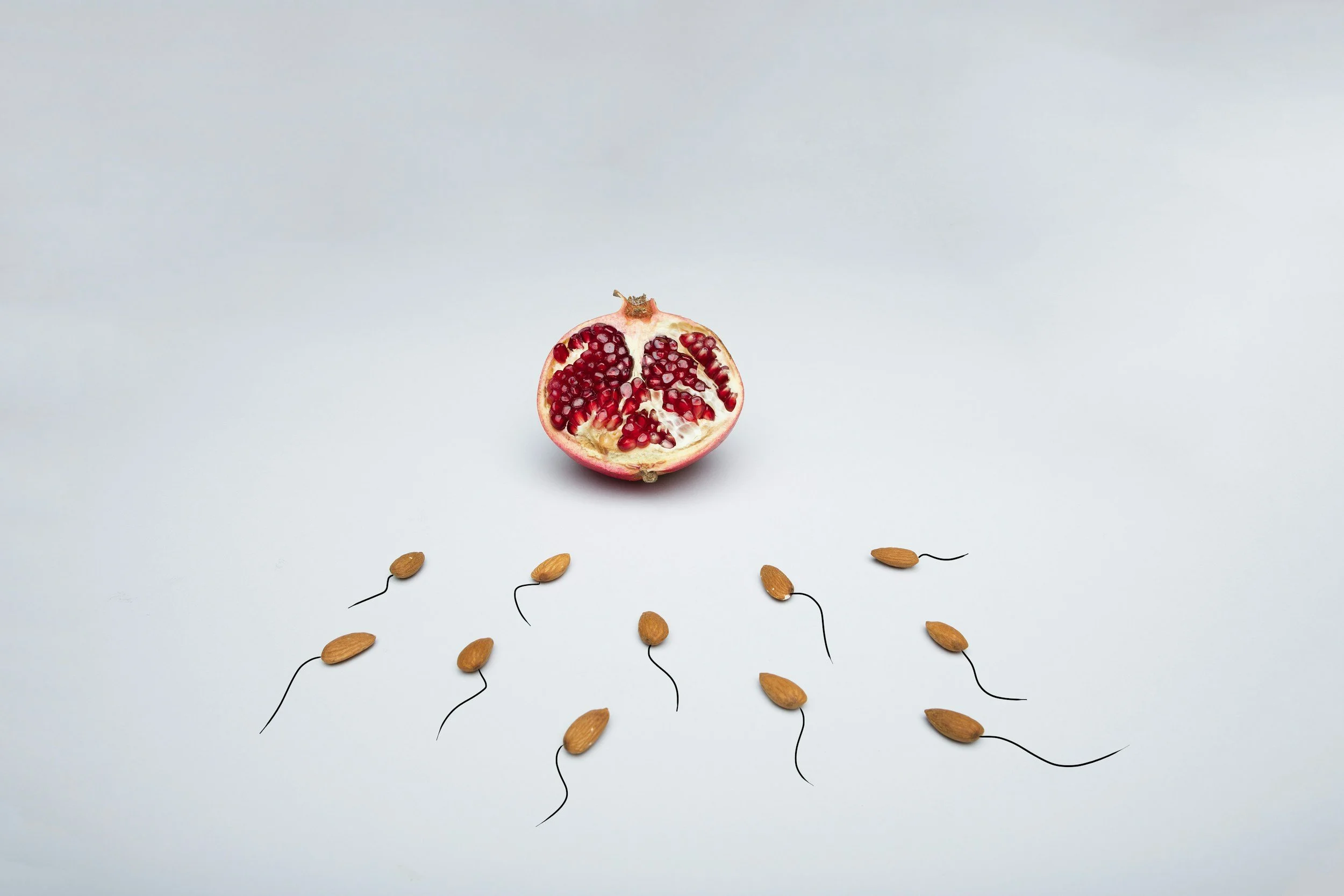
Male Fertility and Sperm Quality: What Acupuncture Can and Cannot Support Before IVF or IUI
Worried about sperm count, motility, or morphology before IVF or IUI? Learn what acupuncture can realistically support for male fertility—and when medical evaluation matters more.

Acupuncture for IUI: When to Start and What to Expect
Considering acupuncture before or during IUI? Learn how appointments are planned, what to bring and how to book with Mike Xu in Aurora.
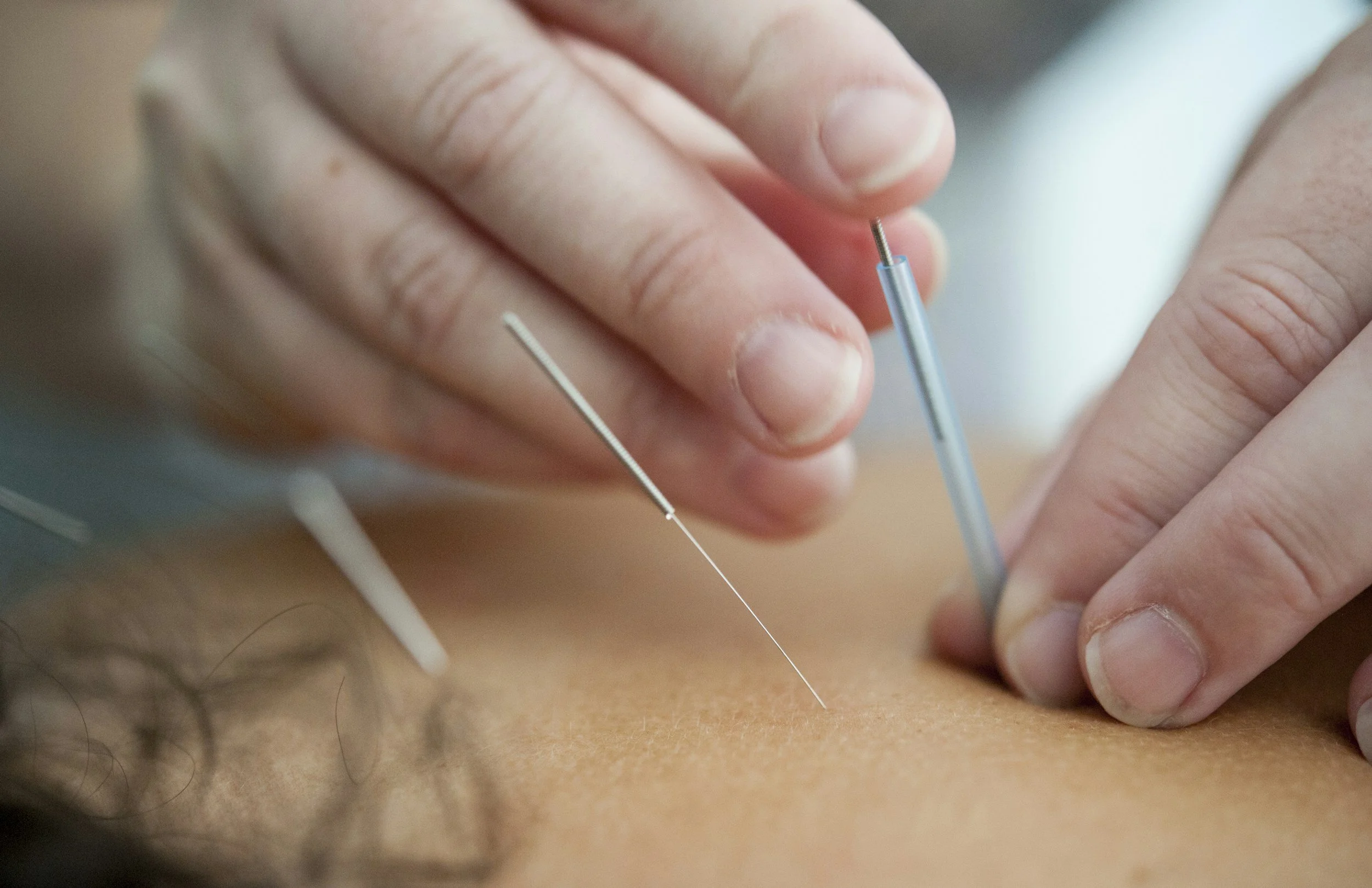
How to Choose a Fertility Acupuncturist in Aurora or Toronto: 7 Questions to Ask Before You Book
Looking for fertility acupuncture in Aurora or Toronto? Choosing the right practitioner can make a big difference in your fertility journey. In this guide, we explain the key questions to ask, how to verify credentials, and what to expect from a professional fertility acupuncture consultation.

Acupuncture During IVF: When to Start, How Often, and a Simple Timeline
Looking for a clear plan for acupuncture during IVF? This article outlines a practical IVF acupuncture timeline, including how often to go during stimulation, what to do before and after embryo transfer, and when treatment may not be recommended. Learn how acupuncture can support sleep, stress regulation, and symptom management during your IVF cycle—without unrealistic promises.
Acupuncture for Egg Quality: What It Can and Cannot Do After 35
Worried about egg quality after 35 or 40? Learn what “egg quality” means, how acupuncture can support your body, and a realistic 90-day timeline.

Thin Endometrial Lining in IVF: Can Acupuncture Help?
Thin lining before IVF or FET? Questions for your fertility team, the limits of acupuncture evidence and planning optional care with Mike Xu in Aurora.